

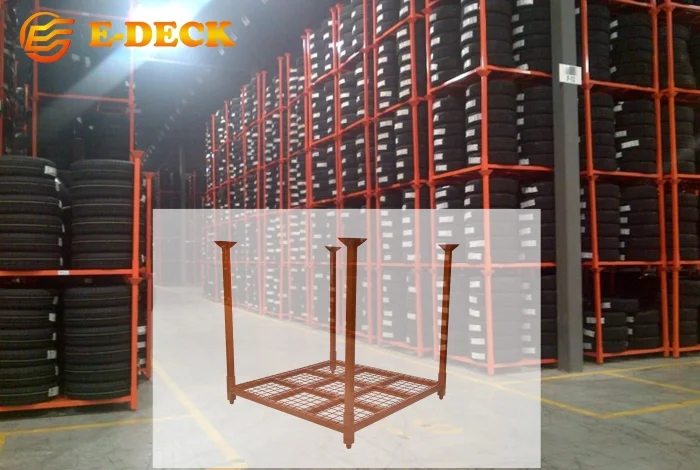
Selecting the right storage system for automotive or industrial tires is a critical investment decision. A poorly chosen rack can lead to damaged inventory, unsafe working conditions, and wasted floor space. Before committing to any supplier or configuration, buyers should evaluate both technical and operational factors. Asking the right questions will help ensure that the solution you choose is reliable, scalable, and aligned with your long term business needs.
Important Questions To Ask When Purchasing A Tire Storage Rack
1. What Load Capacity Does Each Level Support?
One of the first and most important questions concerns load ratings. Not all racks are engineered to support the same weight per beam level or per bay. You should request certified load charts that clearly state:
- 1. Maximum load per shelf or beam level
- 2. Maximum load per bay or upright frame
- 3. Safety factors used in the design
This is especially important if you are storing truck, bus, or off road tires, which are significantly heavier than passenger vehicle tires. If your operation requires high weight tolerance, confirm whether the system qualifies as a heavy duty tire rack under recognized material handling standards.
2. Is the Rack Designed for My Tire Types and Sizes?
Tires vary widely in diameter, width, and overall weight. A rack designed for small car tires may not be suitable for wide truck or agricultural tires. Ask the supplier:
- 1. What minimum and maximum tire diameters are supported?
- 2. What beam spacing options are available?
- 3. Can the rack be customized for mixed tire sizes?
A well designed tire storage rack should allow adjustable beam levels so you can reconfigure the system as your product mix changes.
3. What Material Is the Rack Made From?
Material quality directly affects durability, safety, and service life. You should clarify whether the system is constructed from cold rolled steel, structural steel, or lighter gauge sections. A high quality metal tire rack should offer:
- 1. High resistance to bending and deformation
- 2. Consistent weld quality
- 3. Corrosion resistant surface treatment (powder coating or galvanization)
If the rack will be installed in a humid, coastal, or outdoor environment, corrosion protection becomes even more critical.
4. Does the Design Comply With Safety and Engineering Standards?
Any rack system used in a commercial environment should be engineered to recognized safety norms. Ask whether the rack design complies with applicable racking standards and whether structural calculations are available on request.
A professionally designed steel tire rack will typically include integrated safety features that reduce the risk of accidental beam dislodgement.
5. Can the System Be Expanded in the Future?
Business growth often requires additional storage capacity. Before purchasing, confirm whether the rack system is modular and expandable. Key questions include:
- 1. Can additional bays be added later?
- 2, Are compatible components guaranteed to remain available?
- 3. Can beam levels be repositioned without tools?
If your facility is likely to scale operations, choosing a second high capacity tire rack that supports easy expansion will save you future replacement costs.
6. How Does This Rack Fit Into My Overall Warehouse Layout?
Storage systems should integrate smoothly with your existing material handling workflow. Discuss aisle widths, forklift clearances, and picking access with the supplier. A properly planned tire warehouse racking layout should:
- 1. Maximize vertical storage
- 2. Maintain safe travel aisles
- 3. Allow efficient picking and replenishment
7. What Installation and Maintenance Support Is Provided?
Installation quality has a major impact on long term safety and performance. Ask whether the supplier provides professional installation or detailed assembly instructions.
You should also clarify:
- 1. Recommended inspection intervals
- 2. Replacement part availability
- 3. Warranty coverage
A reliable supplier of a tire storage rack should offer after sales support and clearly defined maintenance guidelines.
8. What Is the Total Cost of Ownership?
The lowest upfront price does not always mean the lowest long term cost. Ask for a full cost breakdown that includes:
- 1. Rack components
- 2. Anchoring hardware
- 3. Installation charges
- 4. Shipping and lead times
When evaluating alternatives, consider durability, warranty terms, and expected service life. A well engineered metal tire rack may have a higher initial price but significantly lower maintenance and replacement costs.
Final Thoughts
Buying the right storage system requires more than comparing prices and dimensions. By asking the right technical and operational questions, you can ensure that your chosen heavy duty tire rack or steel tire rack meets your safety, capacity, and scalability requirements.
A carefully selected tire warehouse racking solution will improve space utilization, reduce handling risks, and protect your tire inventory for years to come.