

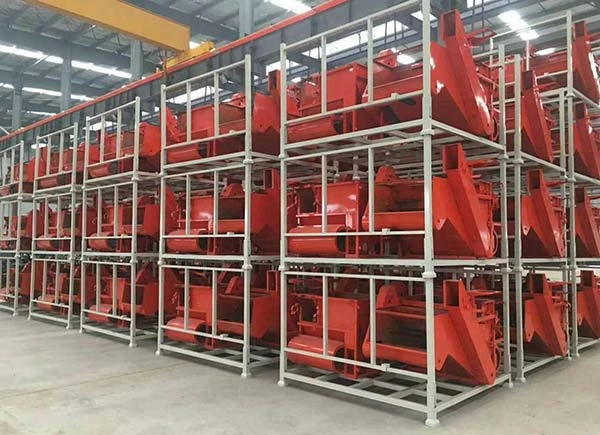
For businesses that depend on efficient tire storage, a well-maintained heavy duty rack makes all the difference in safety, space optimization, and operational productivity. When companies invest in a tire rack system, they expect longevity and consistent performance. However, without regular upkeep, even the strongest structures can wear down, leading to safety risks, costly repairs, and unnecessary downtime. At E-Deck, we design materials handling solutions with durability in mind, but we also emphasize the importance of preventive maintenance to keep those systems working at their best for years to come.
Why Maintenance Matters?
Heavy duty tire storage systems handle significant loads every day. Tires may not seem fragile, but poor storage practices or neglected racking can cause inventory damage, shorten rack lifespan, and even create accidents in a warehouse. Through structured maintenance, organizations can reduce risks while keeping storage areas organized and efficient.
Regular Inspection is Key
The first and most effective maintenance step is systematic inspection. Small cracks, loose bolts, or signs of rust can be easy to miss if racks aren’t monitored regularly. Managers should schedule monthly checks to spot compromised welds, bent frames, or any instability. Inspections are not just about spotting damage—they are a preventive approach to minimize issues before they disrupt workflow.
Keep Weight Loads Within Limits
One of the most common mistakes in warehouse operations is overloading racks. Heavy duty rack systems are engineered with specific load capacities. Exceeding these limits weakens the framework and increases the risk of collapse. Operators should be trained to respect load ratings and distribute tires evenly across surfaces. Labelling racks with their capacity and reinforcing these rules protects both equipment and staff safety.
Address Rust and Corrosion Early
Even high-quality steel racks are vulnerable if they face moisture or chemical exposure. A little rust might not appear urgent but left untreated, it compromises structural strength. Applying protective coatings, keeping racks clean, and addressing signs of corrosion early ensures longer life. In environments with high humidity or exposure to oils and water, this becomes especially critical.
Train Staff on Rack Handling
A strong rack system can fail prematurely if mishandling occurs. Impacts from forklifts or improper tire stacking cause unintended stress points. Educating staff on navigating equipment near racks, carefully stacking tires, and avoiding shortcuts is essential. Proper handling behaviors extend equipment life and enhance safety in storage areas.
Reinforce Anchoring and Stability
Over time, floor bolts securing a tire storage system can loosen due to vibrations, repeated loading, or wear. Any movement at the rack base reduces stability. Inspecting anchor bolts, retightening when necessary, and replacing damaged flooring hardware helps maintain full stability. When expansion or relocation happens, professional installation and re-anchoring are critical steps.
Upgrade When Needed
Even with the best maintenance routines, no equipment lasts forever. Signs such as continued rust, frequent repairs, or racks struggling with new tire sizes indicate it may be time to upgrade. Modern designs now provide better adjustability, space-saving features, and improved load capacities that match evolving business needs. Investing in a new solution at the right time avoids heavy losses caused by outdated systems.
How E-Deck Supports Long-Term Durability?
At E-Deck, we don’t just manufacture robust racking—we understand the needs of warehouses, retailers, and distributors who rely on tire storage systems daily. Our equipment is designed with heavy usage in mind, requiring minimal but effective maintenance. We also guide our clients in implementing the right upkeep strategies so their investment lasts. Whether you’re storing a few dozen tires or managing bulk automotive inventory, we believe that proactive care is just as important as using quality racks in the first place.
Final Thoughts
Keeping heavy duty tire rack systems in top shape is not simply about preventing damage—it’s about protecting people, products, and productivity. By combining regular inspections, professional servicing, employee training, and basic housekeeping, facilities can ensure their storage solutions remain reliable for years. At E-Deck, we’ve seen firsthand how small maintenance habits turn into big cost savings and stronger operational performance. A few minutes of attention today can prevent major disruptions tomorrow.