

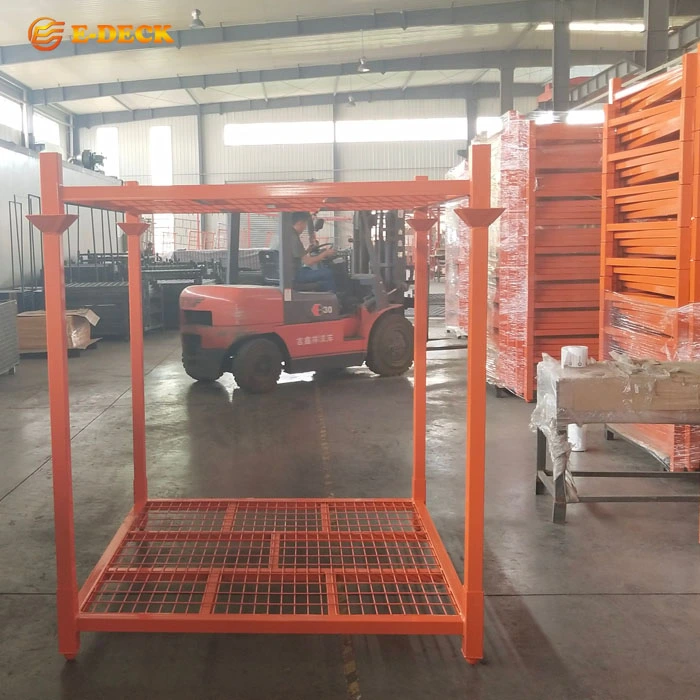
Inefficient tire storage is more than just a space issue—it directly affects productivity, safety, and costs. When tires are not stored properly in tire racks, businesses face delays in handling, difficulty in inventory tracking, and increased risk of damage.
If your operations feel slower than they should be, your storage system is likely part of the problem.
The Hidden Cost Of Poor Tire Storage
Many warehouses and storage yards underestimate how much disorganized tire storage system impacts daily operations. Stacking tires randomly or without a structured system creates inefficiencies that compound over time. What may seem like a small delay—searching for the right tire or moving tire stacks around—quickly adds up across shifts and teams.
Tires can lose shape due to uneven stacking, while constant handling increases wear and tear. At the same time, cluttered floors reduce usable space and create safety risks. Over time, these inefficiencies lead to higher operational costs, frequent replacements, and avoidable downtime that directly impacts your bottom line.
Why A Structured Tire Storage System Matters?
A proper tire storage system brings order, predictability, and efficiency to your operations. Instead of reacting to daily storage challenges, you create a setup where every tire has a defined place and is easy to locate.
A good heavy duty tire rack improves handling speed, reduces unnecessary movement, and helps maintain tire quality over longer periods. It also makes inventory tracking more accurate, which is critical for planning and avoiding stock-related delays. In addition, a well-organized tire storage rack setup contributes to a safer working environment, reducing the chances of accidents caused by unstable stacks or blocked pathways.
How Industrial Tire Racks Solve Real Problems
Industrial tire racks introduce a structured and reliable approach to storage. They are designed to handle heavy loads while keeping tires organized and accessible, eliminating the inefficiencies of floor stacking.
With a proper tire storage rack system in place, tires remain protected from deformation, and retrieval becomes faster and more systematic. Workers spend less time searching or rearranging inventory, which directly improves workflow. At the same time, keeping tires off the floor reduces clutter and enhances overall safety within the facility.
Scaling Your Storage As Your Business Grows
As your inventory increases, unstructured storage quickly becomes difficult to manage. What once worked for smaller volumes starts causing delays and confusion at scale.
A high capacity tire rack allows you to expand without compromising efficiency. Durable systems, especially those made from steel, provide the strength and stability required for long-term use. They can handle continuous operations while maintaining their structure, ensuring that your tire storage rack supports growth rather than limiting it.
Making Better Use Of Your Available Space
Space optimization is one of the biggest advantages of a well-planned storage system. Instead of spreading inventory across the floor, vertical tire storage allows you to use the full height of your facility.
This not only frees up valuable floor space but also improves movement within the warehouse. Equipment and workers can operate more efficiently without navigating around obstacles. A cleaner, more organized layout leads to faster operations and better overall control of your storage environment.
Choosing The Right Tire Rack Storage Approach
Not all storage systems deliver the same results, and choosing the right one requires a clear understanding of your operational needs. The ideal solution should offer durability, ease of access, and the flexibility to adapt as your business evolves.
It should also integrate smoothly with your existing workflow, minimizing disruption while improving efficiency. Investing in the right system is not just about storage—it’s about creating a foundation for smoother, more reliable operations.
Upgrade Your Storage, Upgrade Your Workflow
If tire storage is slowing down your operations, the issue is not just space—it’s structure. Disorganized storage leads to delays, damage, and unnecessary costs that can easily be avoided with the right approach.
By implementing a structured tire storage system, you can streamline workflows, protect your inventory, and create a safer, more efficient environment. The result is not only better organization but also improved productivity and long-term cost savings.
The right setup doesn’t just store tires—it supports your entire operation.